Eric: Graffiti Lettering for Real Projects
As someone who’s spent years working with machine embroidery designs, I’ve seen my fair share of digital files that look great on screen but fall apart in real-world use. Eric is one of those rare finds that not only delivers on visual impact but also holds up under the scrutiny of actual embroidery projects. Whether you're an Etsy seller, a craft business owner, or a designer looking to expand your portfolio, Eric offers a unique blend of style and practicality.
The First Impression: Bold, Edgy, and Ready to Stitch
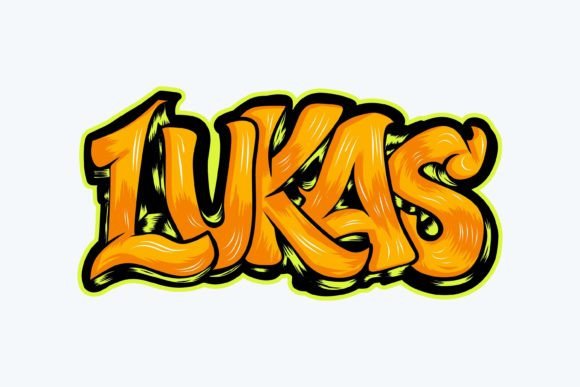
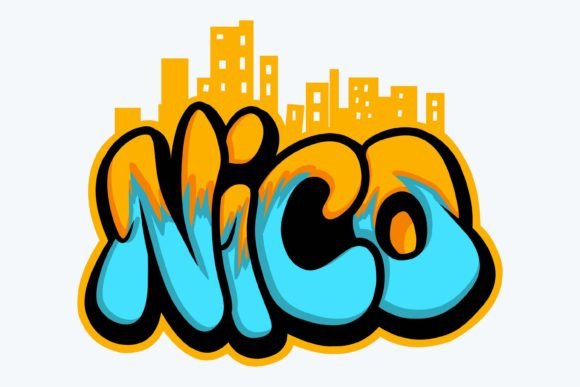
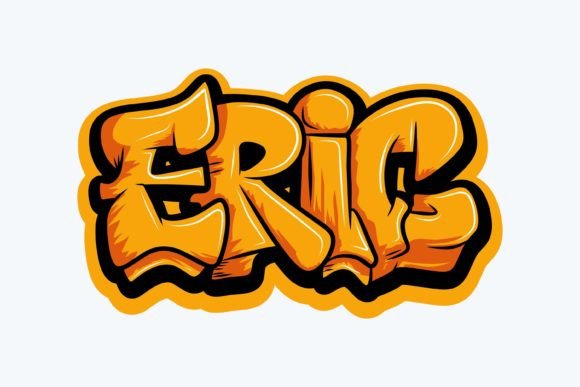
Eric immediately grabs attention with its graffiti lettering typography. The design has a raw, urban energy that feels authentic rather than forced. The shapes are clean, the layout is balanced, and the details—like the subtle texture in the letters—add depth without overwhelming the eye. It’s the kind of design that works well on both dark and light fabrics, making it versatile for different applications.
This isn’t just a pretty graphic; it’s a statement. The visual personality of Eric leans toward street art and modern illustration, which makes it ideal for custom apparel, tote bags, and even baby items that need a bit of edge. The level of detail is high enough to stand out in an embroidery project but not so intricate that it becomes a nightmare to stitch.
Eric in Action: How It Performs in Real Embroidery Projects
When I first tested Eric on a sample sweatshirt, I was impressed by how well it translated from digital to fabric. The design maintains its clarity across different sizes, and the lines stay sharp without excessive stitching. It’s especially effective when used with satin stitch and fill stitch techniques, as the contrast between the bold lettering and the background fabric really pops.
For small business owners and crafters, Eric is a solid choice for t-shirt designs, apron embroidery, and even embroidered patches. It works well on both cotton and polyester blends, though I’d recommend using a stabilizer for stretchy or thin fabrics to prevent puckering. The design is also suitable for holiday gifts, like personalized kitchen towels or embroidered pillow covers, where the graffiti aesthetic adds a unique touch.
One thing to note is that Eric’s style may not be the best fit for every project. If you’re looking for something more traditional or minimalist, this might not be the right design. But for those wanting to add some flair to their handmade products or commercial embroidery work, Eric is a strong contender.
Where to Use Eric Carefully: Practical Considerations
While Eric is generally easy to work with, there are a few situations where caution is needed. For instance, if you’re planning to use it on a small hoop size, you may need to adjust the design or break it into sections. The same goes for textured or dark fabrics, where the thread color contrast can make a big difference in visibility.
Eric also requires attention to stitch density. Too much stitching in dense areas can cause the fabric to pucker, especially on thin or stretchy materials. I recommend testing the design on scrap fabric before committing to a full project. This is especially important for baby items or products that will be washed frequently, as the integrity of the stitches matters over time.
Another consideration is the design’s compatibility with different embroidery machines. While the file formats provided (AI, EPS, SVG) are standard, it’s always a good idea to check your machine’s specifications to ensure smooth operation. Also, if you plan to sell finished products, make sure you have the proper licensing for commercial use.
Eric’s Impact on Visual Appeal and Customer Perception
From a design standpoint, Eric elevates the visual appeal of any project it’s used on. Its graffiti-inspired look gives a sense of authenticity and creativity, which can be a major selling point for handmade products or boutique merchandise. Customers often respond positively to unique, eye-catching designs, and Eric delivers on that front.
In terms of product value, Eric adds a layer of professionalism to any embroidery project. Whether it’s a custom tote bag for a client or a printed mockup for an Etsy listing, the design helps create a polished, cohesive look. This is especially beneficial for small shop owners and creative entrepreneurs who want to stand out in a crowded market.
Eric also enhances the giftability of a product. Its bold style makes it ideal for personalized gifts, such as embroidered caps or holiday decorations. The design’s versatility means it can be adapted to a wide range of items, making it a valuable asset for anyone involved in the handmade or digital product space.
Embroidery Designer Notes: Tips for Using Eric Effectively
Before finalizing any project with Eric, I always recommend testing the design on different fabrics and thread colors. This helps identify any potential issues with visibility or stitch quality. It’s also a good idea to review the stitch density and adjust it if necessary, especially for detailed areas or small lettering.
When working with Eric, pay close attention to the hoop size. If the design is too large for your machine’s hoop, consider splitting it into smaller sections or adjusting the scale. This can save time and prevent frustration during the embroidery process.
Finally, remember to check the licensing terms before selling any finished products or digital files. Even though Eric is described as 100% editable and ready to use, it’s always better to confirm the rights to avoid any legal issues down the line.
Conclusion: A Design That Works Beyond the Screen
Eric is more than just a digital file—it’s a design that translates well into real-world embroidery projects. Its graffiti-inspired style adds a unique edge to custom apparel, handmade products, and commercial embroidery work. While it’s not perfect for every application, it’s a reliable choice for those looking to add some visual punch to their designs.
Whether you're an experienced embroiderer or just starting out, Eric offers a balance of creativity and practicality that’s hard to beat. With the right approach, it can become a staple in your design library, helping you create standout products that customers will love.